

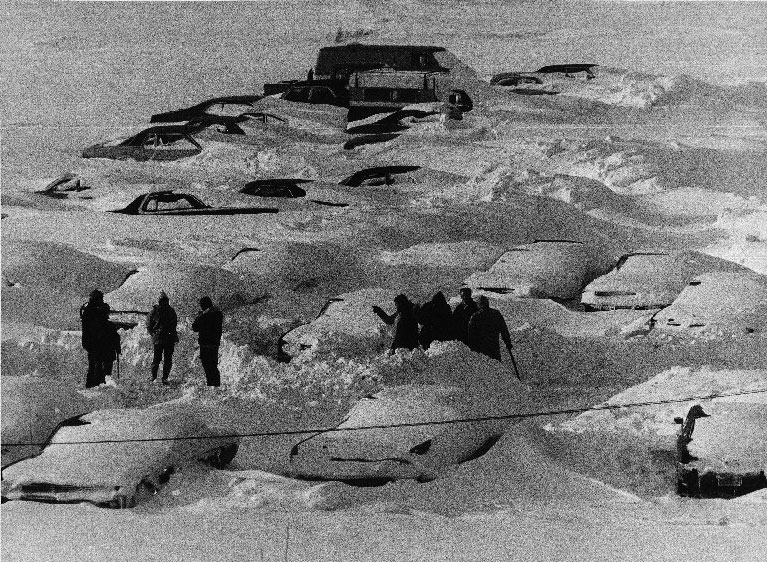
Prophecy can be, let us say, imprecise. (Translation: wrong.) It depends, of course, on who is prophesying.
But what about science and its precognition?
Take the current winter.
Around the end of December, meteorologists were telling us that the second half of January was going to be “unusually warm,” especially in the eastern part of the U.S.
Reality check: as we near month’s end, it has been one of the coldest in recent memory—a study in contrasts. For the second half of January 2026, many long-range forecasters—including NOAA’s Climate Prediction Center—were caught off guard by the sheer intensity of the Arctic shift.
Likely January 2026 will be remembered more for its severe late-month cold snap than its overall average.
While the first half of the month featured “up and down” patterns and even a brief thaw, the massive Arctic outbreak and winter storm around January 24–26 shifted the narrative and this weekend (1/31/26) may bring another.
It will certainly be cold, with lows in the twenties in Florida and even some predicting (there goes that word again) the possibility of snow or at least flurries in Miami.
Last weekend, during the onset of the snow in the Midwest, Northeast, and majority of southern states, Miami had a “real feel,” at one point, of ninety.
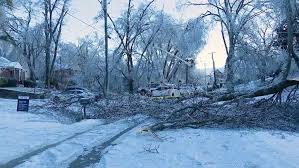
Now, nothing quite historic, but for many major cities, this month represents the most significant “real winter” they’ve experienced in nearly a decade. Between January 17 and January 28, temperatures across the Midwest and East plummeted significantly below normal. Pittsburgh and Nashville [above, caked in ice] saw averages roughly 11–12°F below normal during that window.
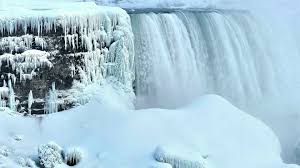
Many Northeast cities, including Washington, D.C. and Philadelphia, are tracking toward a top five or top ten coldest late-January stretches on record. The American Falls at Niagara is icing over, and snowfall has accumulated higher, from what we’re told, than in ten to fifteen years.
Historically winters are very tough up there. Not so much any longer. We were there for the Blizzard of 1977 that set national records, with snowdrifts covering two-story homes and drifts so high that one venturing up might stub one’s toe (boot) on the top of a telephone pole (this actually happened to someone we know).
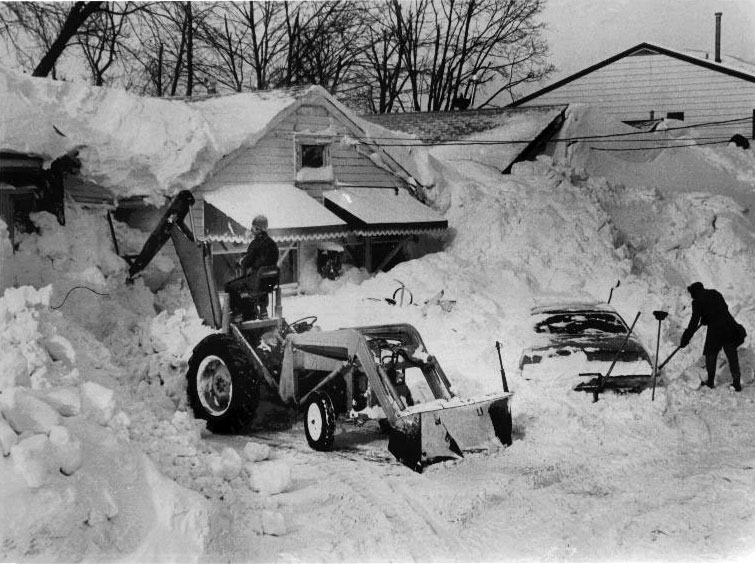
We recall going to seven-a.m. Mass in the Albany area and noticing a bank’s thermometer registering minus- twenty. (Did you ever have to shovel your driveway four times on Christmas Day, and then face an equally severe storm the following week, both two feet of snow?)
But of late, many northern cities have seen such mild winters that plants have begun to bloom in February.
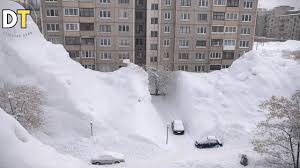
That won’t happen this year. Prophecy has told us to expect extremes in weather and everything else. Globally, take a look at a city in Russia:
Meanwhile, Australia has been registering record heat (and concomitant fire).

The weather—as has been accurately prophesied—is swerving all over the place, and that will continue.
The global trend is still toward warming (as during the Middle Ages, which peculiarly was also a time of societal upset) but the story is in the erratic nature of nature. It seems near to be mimicking us humans.
Storms?
A very tame hurricane season in the South will probably not be followed by the same this year.
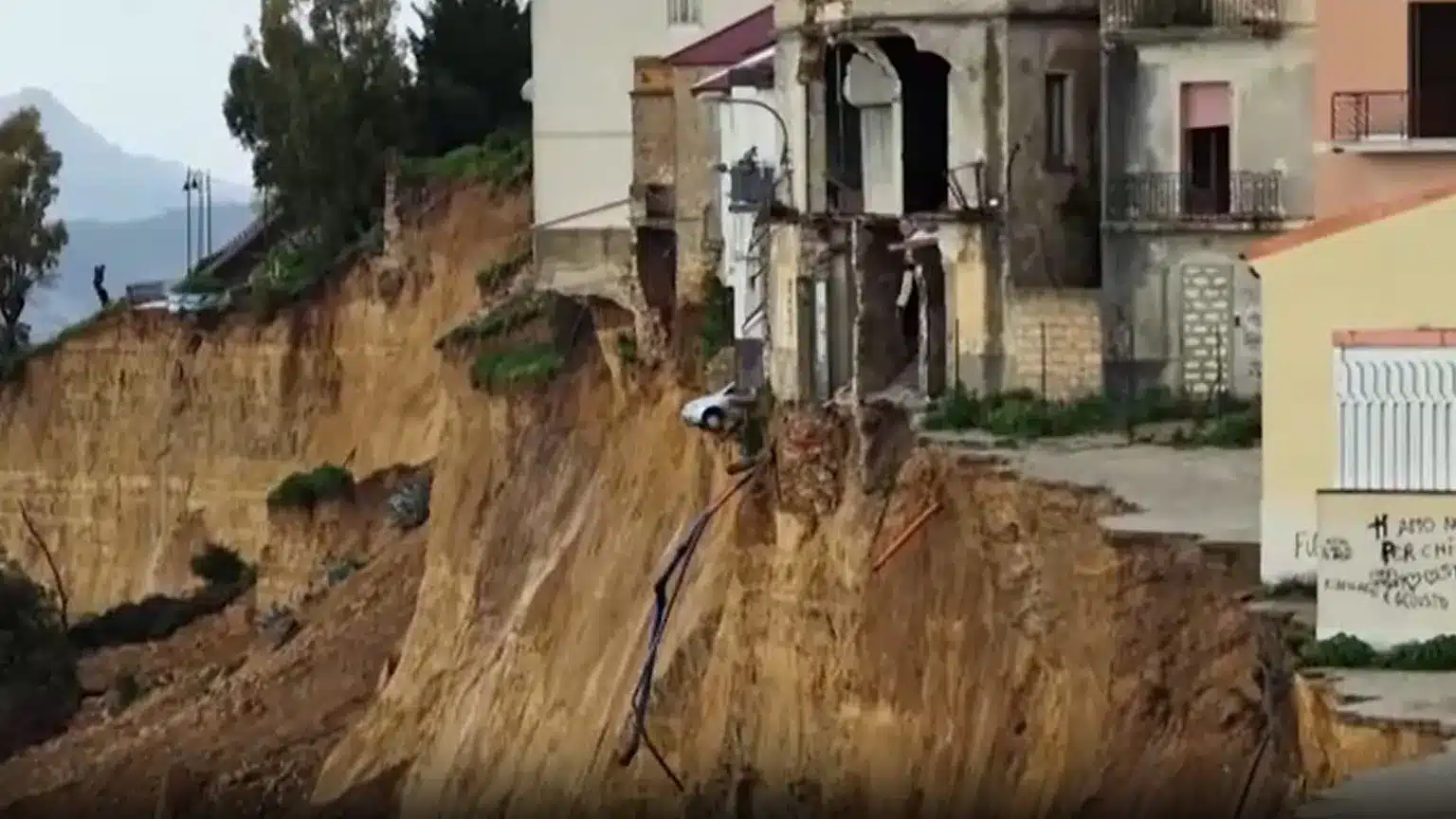
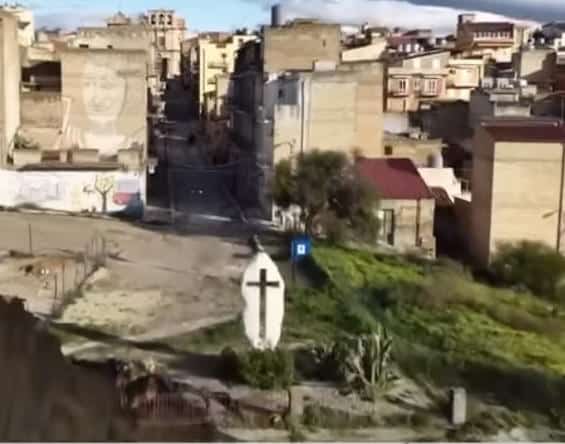
As far as cyclones: they’ve raised havoc in Portugal, Spain, and Italy this year (take a look at a resultant landslide last week in southwestern Sicily, and note especially that a Cross survived near the precipice).
Yes, our times.
Safe prediction/prophecy: they will become increasingly interesting.
[resources: Sent To Earth, Future Events, and Fear of Fire]