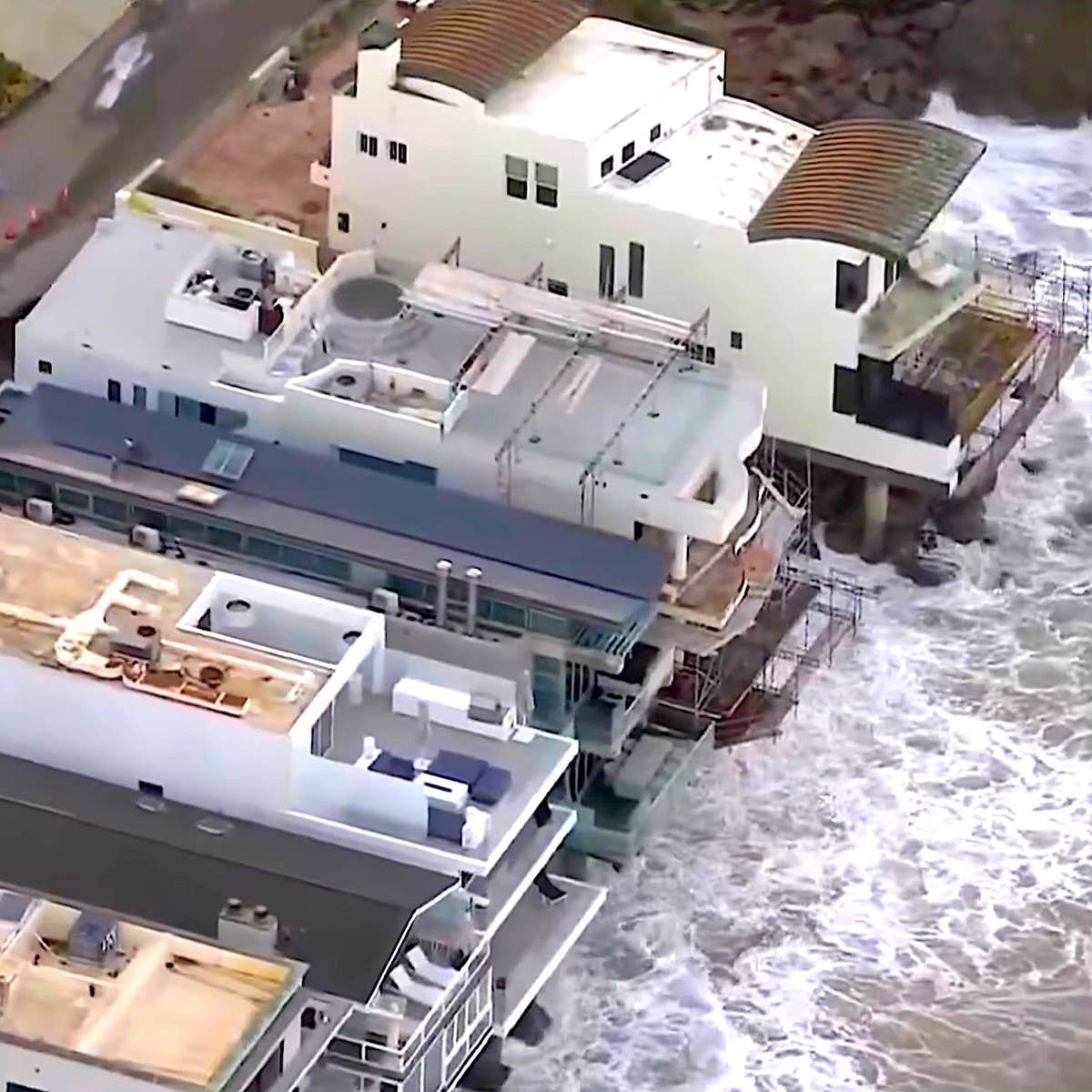
Referring to a recent United Nations report, the Vatican newspaper L’Osservatore Romano noted, on October 23, that “approximately 3.4 billion people worldwide lack adequate, safe, and affordable housing,” adding that about one billion live in “shantytowns.”
This is what one shanytown (in Madrid, Spain) looks like:

Here’s another, in India:

Remarkably, there are a number of shantytowns built right on bays and rivers:
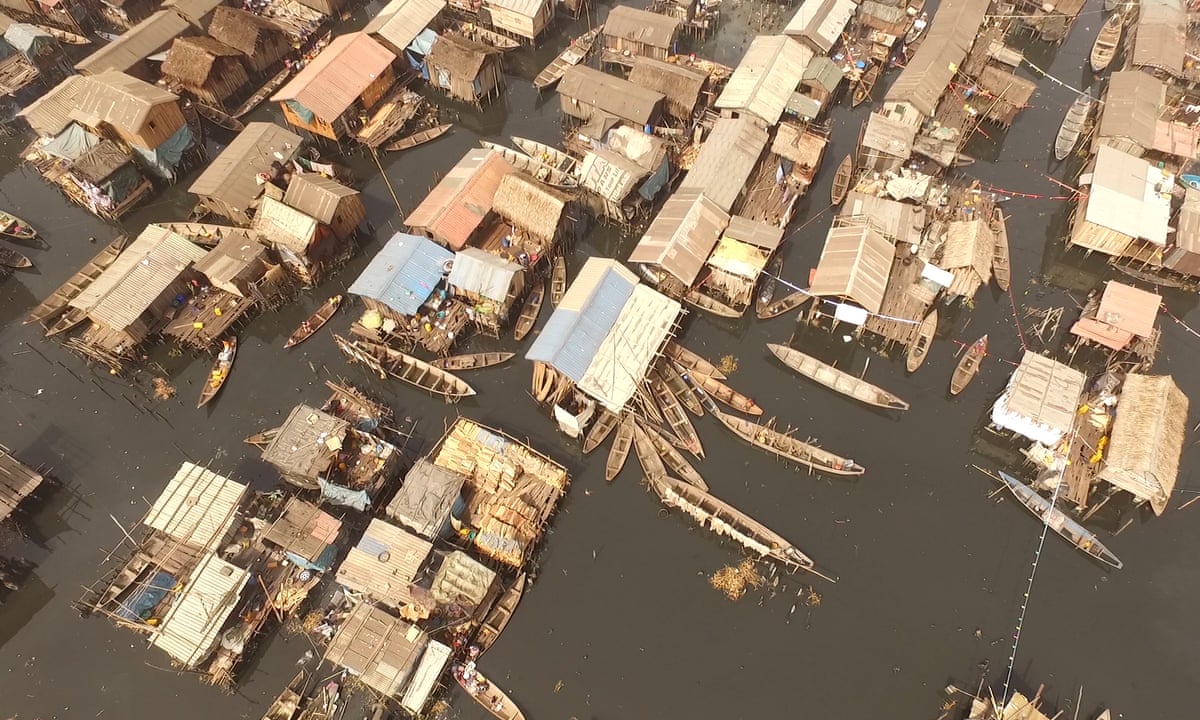
Others are makeshift apartment buildings (like this in Argentina):


They compare rather starkly with the digs of the world’s Big Tech ultra-rich (at places like Billionaires’ Bunker in Indian Creek, Miami):
Residents have surnames like Zuckerberg, Bezos, and Kushner. (One problem: high sea levels are pushing water up through porous rock beneath the mansions.)
Here’s a better look at Zuckerberg’s home in the Miami “bunker” (part of a $700 billion real estate portfolio that includes a $365-million estate in Hawaii and a castle in Ireland):

Zuckerberg’s Maui estate includes two central mansions totaling roughly 57,000 square feet, over a dozen buildings, 30-plus bedrooms and bathrooms, a full gym, pools, tennis court, and eleven treehouses connected by rope bridges. Below it is a “doomsday bunker,” 4,500 to 5,000 square feet connected to the main residences via an underground tunnel. It is secured with a heavy, concrete-filled blast-resistant metal door, mechanical rooms, living quarters, and independent self-sustaining food and water systems (including a massive water tank and agricultural/cattle operations. Question: is it immune from a tsunami?).

And his newly purchased castle in Ireland (he’ll raise a Guiness to that!):
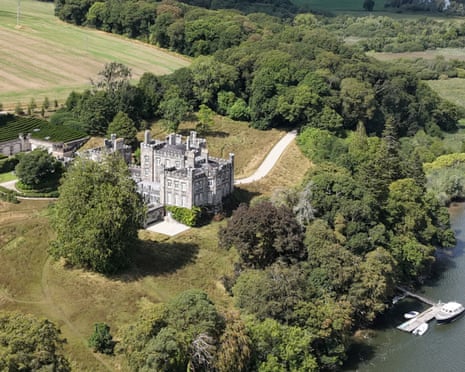
Imagine the Royal Family’s holdings (never mind the Rothschilds)!
The real estate portfolio of Jeff Bezos, getting back to him, includes in all a $68 million home, a $79 million home, and an $87 million home in Indian Creek, Miami, along with a $165 million estate in Beverly Hills, California, a $78 million compound in Maui, Hawaii, five Manhattan apartments valued at $119 million, a $28 million compound in Washington, D.C., and a Seattle-area Medina compound with a reported $55 million in purchase spending.
We’re not socialists here. Some of what occurs is due to the lack of diligence of those who live in the aforementioned shantytowns (below, Philippines). No question.
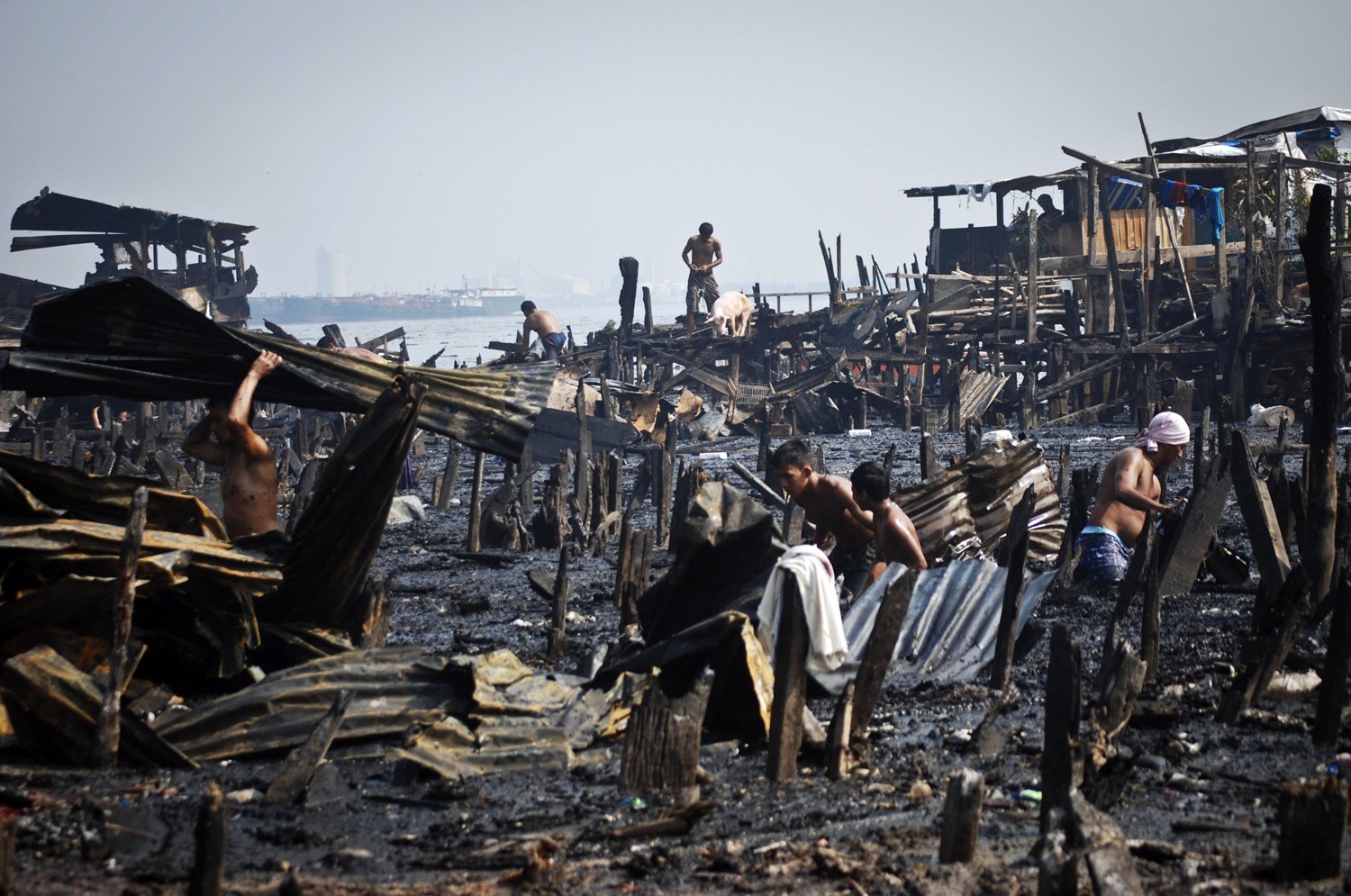
In many parts of the world, extreme poverty persists due to systemic issues like government corruption, ongoing civil war, weak legal systems, and a lack of basic infrastructure (like roads and electricity) to transport food and medicine safely. Without functioning local institutions, funds and supplies can easily be intercepted or mismanaged.
All of us have our faults, ultra-rich or ultra-poor, well-housed or virtually unhoused, or in-between.
But it is a “sign of the times” that weather is buffeting everyone, everywhere, and while there may be bunkers, there is really no place to hide (below, mansions in Malibu collapsing due to rising, raging ocean waves from “king tides”).